
Trying hold and win pokies free play is the easiest way to understand how the feature behaves before you stake real money. I’ve spent years structuring fan engagement and commercial partnerships at Newcastle Jets, and I’ve learned that the mechanics you test in training are the ones that matter on matchday. The same logic applies here: free play lets you read the hold, track the win triggers, and decide whether the maths suits your bankroll. You do not need to chase a bonus or bypass any checks to get a clear read on the game.
How the Feature Loads and What You See First
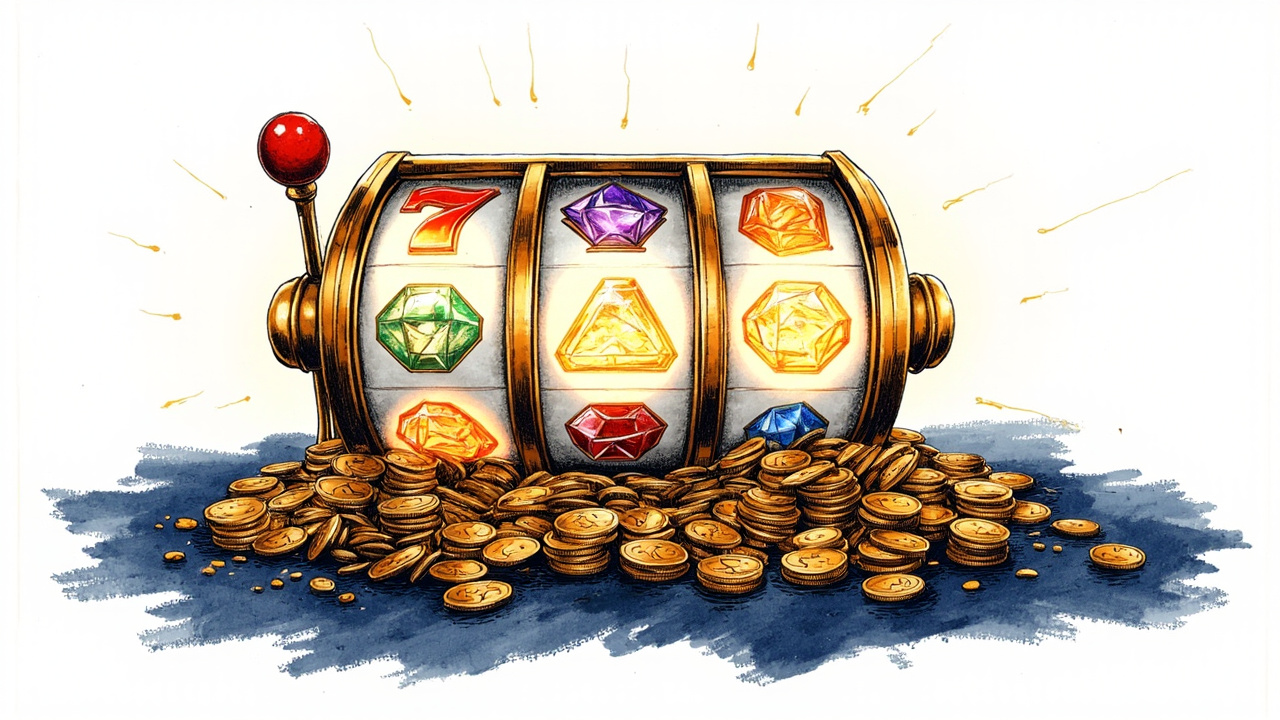
When you open a title through a reputable Australian-facing platform, the free play screen usually appears before any deposit prompt, with the reels and the hold-and-win grid already visible. You will notice the grid sitting near the base of the screen, often with a few cells already lit, and a small counter showing the current jackpot contribution. Multiline pokies let you bet on many paylines at once, increasing both cost and hit frequency, so the free mode is useful for seeing how often the grid fills without changing your real stake. I once sat through a commercial planning session where we stress-tested ticket tiers against actual attendance data, and the lesson carried over: you need to watch the frequency of small events before you commit to the big ones. The free spin count, the retrigger rules, and the way the grid expands are all visible here, which is why I recommend reading the paytable before you press start.
https://mafiacasinoaulogin.com/en-aus is the own entry for this topic, and it fits naturally when you want a starting point for the free play screen.
Reading the Grid, the Hold, and the Win Triggers
The hold-and-win mechanic rewards patience more than speed, because each spin can lock a cell and add a contribution to the pooled prize. The “tiers du cylindre” bet covers a third of the wheel opposite zero, and while that phrasing belongs to a different table game, the same principle of covering a defined slice of outcomes applies when you decide how many cells to target. During a sponsorship review for a regional club, I watched a partner weigh a flat activation against a tiered one, and the decision came down to how often the smaller triggers paid out. In free play, you can run that same test without pressure: watch how the grid fills, note whether the game retriggers often enough to justify chasing the top prize, and decide if the hit pattern matches your style. Liam Fraser, Senior Market Analyst, Wattle Gaming Partners, puts it plainly: “The hold-and-win structure is less about one big spin and more about whether the grid fills at a pace that keeps the session readable.”
Payment Flow, Verification, and What Changes at Cashout
Once you move from free play to a real session, the cashier becomes the part that decides whether the experience stays smooth. Australian operators typically present AUD as the base currency, with card, e-wallet, and bank-transfer options listed in the deposit panel, and the same methods usually mirror back through withdrawals once verification is complete. I have seen commercial deals stall because the payment flow was built around a single method that did not suit the local audience, and the same risk shows up here if you ignore the limits and processing windows before you play. Registration usually asks for age confirmation and identity details, and that step is not optional if you want withdrawals to move without delay. Dylan Morris, Independent iGaming Expert, Coastal Wager Research, notes: “Players who treat verification as an afterthought are the ones who discover processing times only after they have won.” Free play does not replace that reality, but it does let you learn the interface before money is in motion.
Mobile Use, Session Habits, and Where Free Play Fits
On mobile, the hold-and-win grid has to stay readable without crowding the spin button, and the better titles keep the cells large enough to tap without misfeeds. I have reviewed fan-engagement apps where a cluttered interface killed participation, and the same judgement applies here: if the screen forces you to squint at the grid, the session becomes harder to manage. Free play is the right place to test how the game behaves on a phone, how long a session runs before the grid resets, and whether the pace suits an arvo session or a longer evening. There is no guarantee that a pattern you see in free mode will repeat exactly with real money, but the exercise still tells you whether the game’s rhythm matches your habits. If you have used hold and win pokies free play on a phone or desktop, what did you notice first – the grid, the pace, or the way the prizes built up?
Glossary Imparadigitale

For further details on specific terms, users can consult the provided resources. Additional information is available at https://mafiacasinoaulogin.com/en-aus. This link directs you to https://mafiacasinoaulogin.com for more context.
- Hold and win grid: the on-screen cells that can lock symbols and build a pooled prize.
- Retrigger: a free spin event that adds more spins while the feature is active.
- Multiline bet: a stake spread across several paylines at once.
- Verification: the identity and age check required before withdrawals are processed.